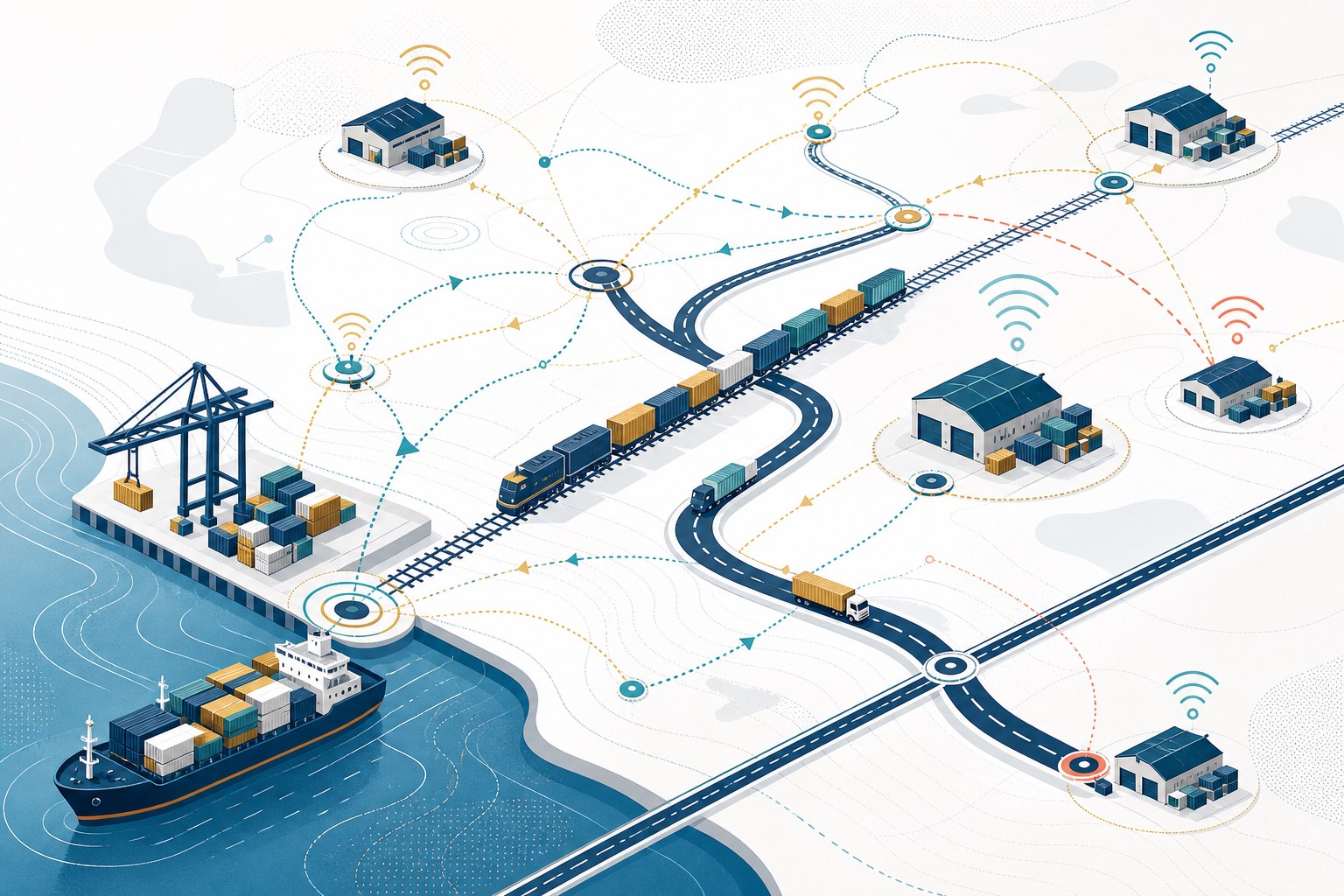
Digital Government
The digital state: designing citizen services around trust, access and speed
Digital government is moving beyond portals and isolated applications. The next challenge is to build public services that feel coherent, secure and accessible from the citizen's point of view.
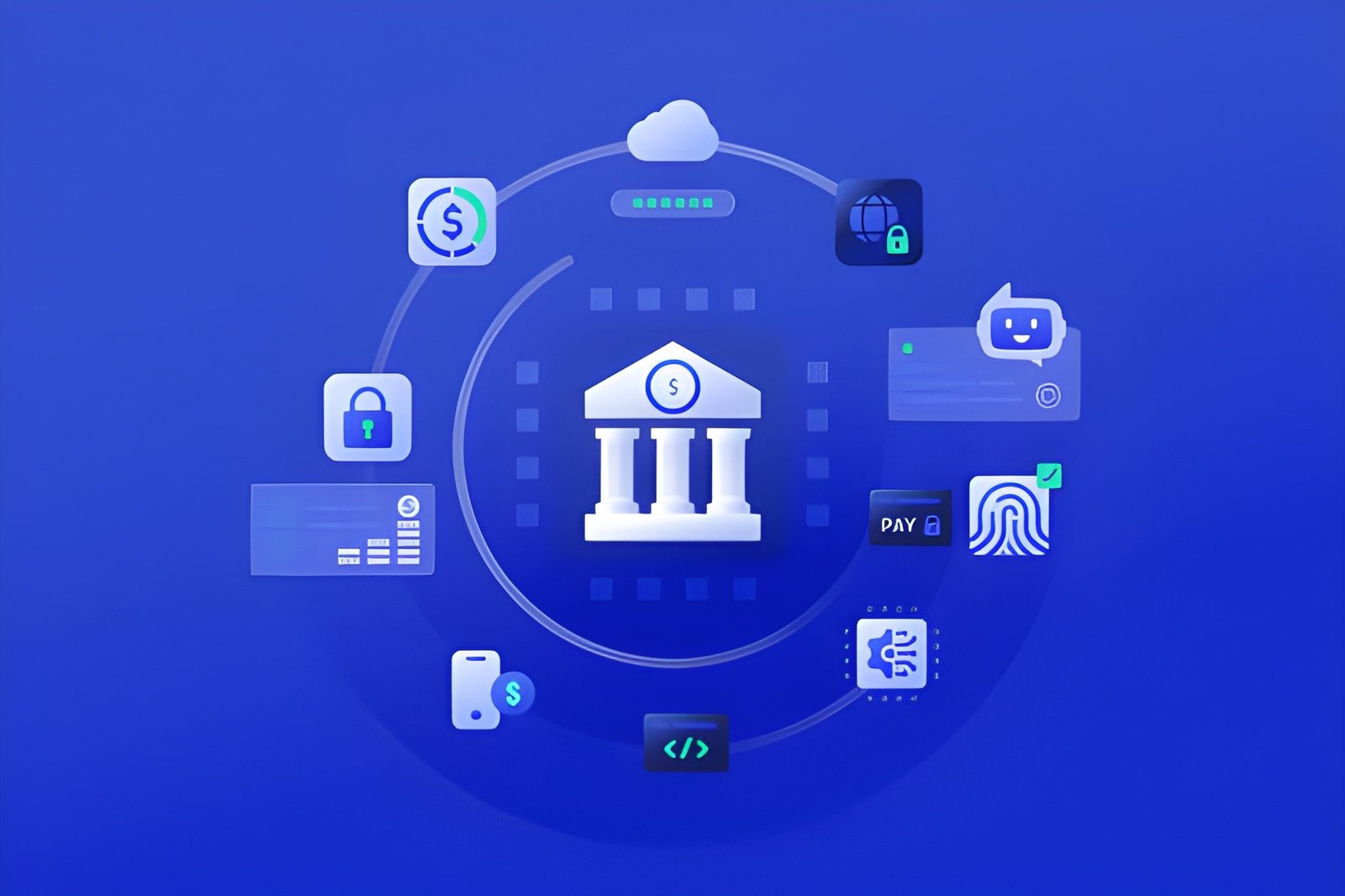
Design around the citizen
Citizens do not experience government as an organisational chart. They experience a sequence of needs: registering a business, accessing healthcare, paying a levy or securing an official document. When each agency designs only for its own process, the citizen carries the burden of navigating the system.
A modern digital state reverses that relationship. Services are organised around life events and user journeys, with shared standards that reduce repeated forms, unnecessary visits and avoidable delays.
The digital state earns legitimacy when every interaction is simpler for the citizen and more accountable to the public.
Trust is infrastructure
Convenience cannot come at the expense of confidence. Identity, consent, data protection and clear accountability must be designed into every service from the beginning. A single breach or opaque automated decision can weaken trust far beyond the system in which it occurred.
Public institutions therefore need both technical controls and understandable governance. Citizens should know what information is collected, why it is required and how a decision can be challenged.
Interoperability before scale
The greatest gains emerge when public systems can exchange reliable information without creating new silos. Shared identity, payment and notification services can become common infrastructure on which agencies build better experiences.
Done well, interoperability lowers cost while improving speed. More importantly, it allows the state to behave as one connected institution rather than a collection of disconnected digital projects.