Public Health
Primary healthcare at scale: the operating systems behind resilient access
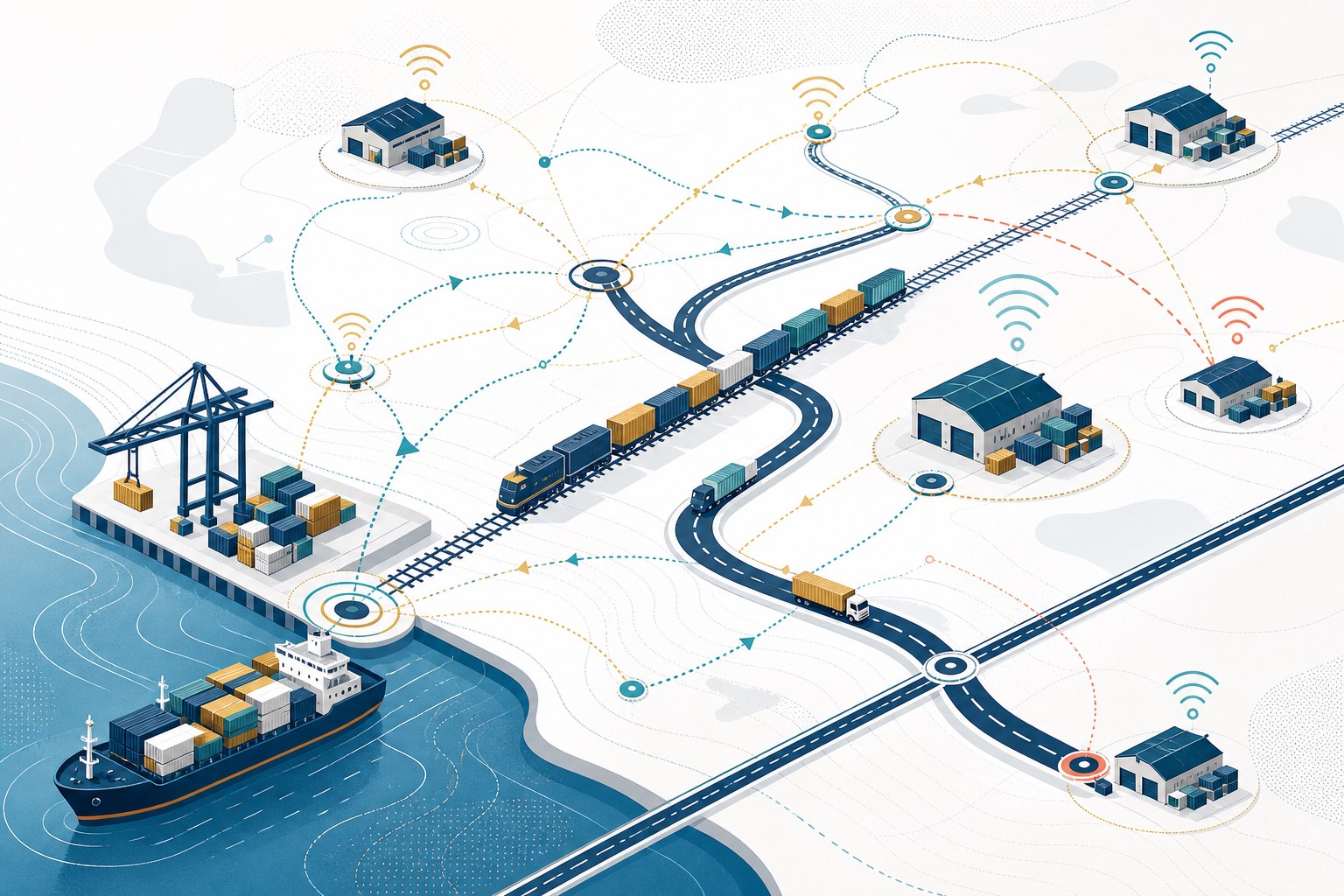
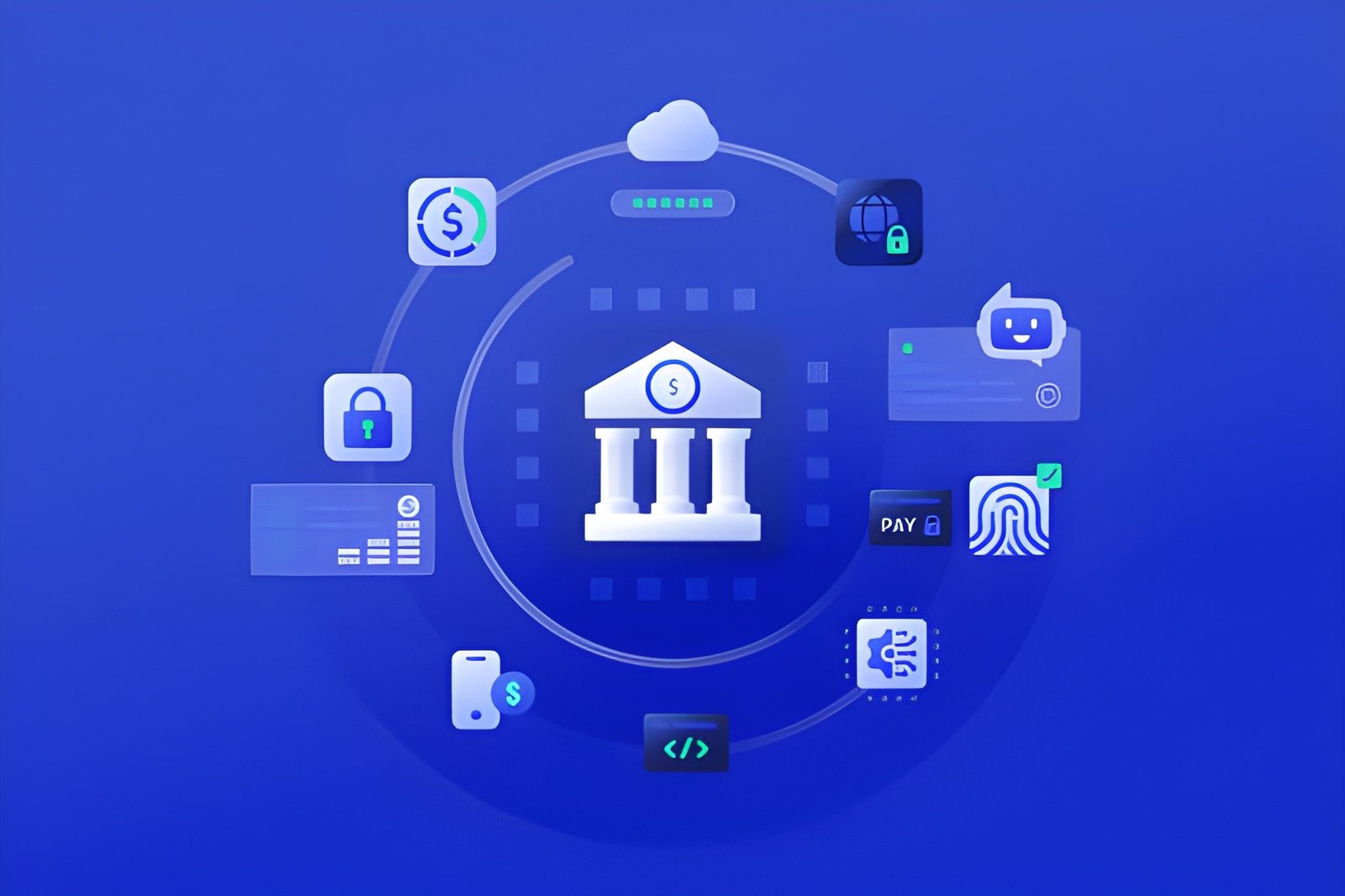
Resilient primary healthcare is not built by clinics alone. It depends on a connected operating system that brings finance, workforce, data and supply chains together at the point of care.

The frontline is the system
Primary care is where health systems become real. It is also where weaknesses in financing, staffing, logistics and information are felt first. A facility may exist physically while still failing to deliver dependable care because medicines, diagnostics or skilled professionals are unavailable.
Building resilience therefore means treating the frontline as an integrated operating environment, not the final destination of separate national programmes.
A resilient health system is one that can see pressure early, move resources intelligently and protect care at the frontline.
Finance must follow need
Predictable funding gives local health teams the ability to plan, maintain essential supplies and respond to changing demand. When resources arrive late or through fragmented channels, managers spend more time navigating administration and less time improving care.
Better allocation combines national priorities with local evidence. Population needs, disease patterns and access barriers should shape where resources go and how outcomes are measured.
Information for earlier action
Timely data can reveal stock risks, workforce pressure and emerging health threats before they become crises. But information systems must serve clinical and operational decisions rather than simply increase reporting requirements.
The strongest models give frontline teams useful feedback, connect community insight to national planning and create accountability without weakening professional judgement.